

Zero Waste Project — The new life of concrete
By Urbi et Orbi
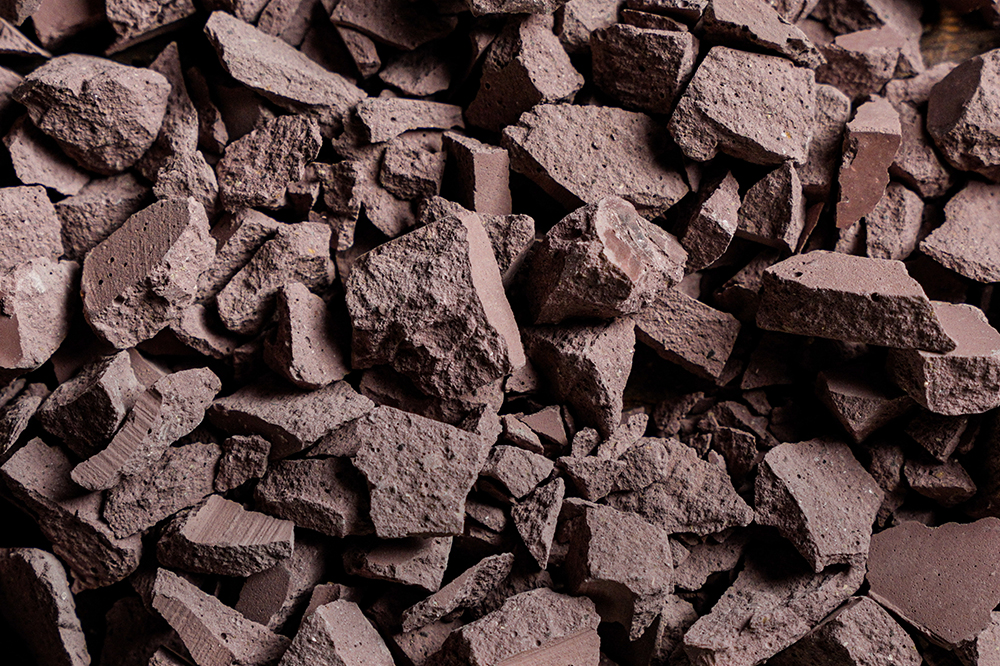
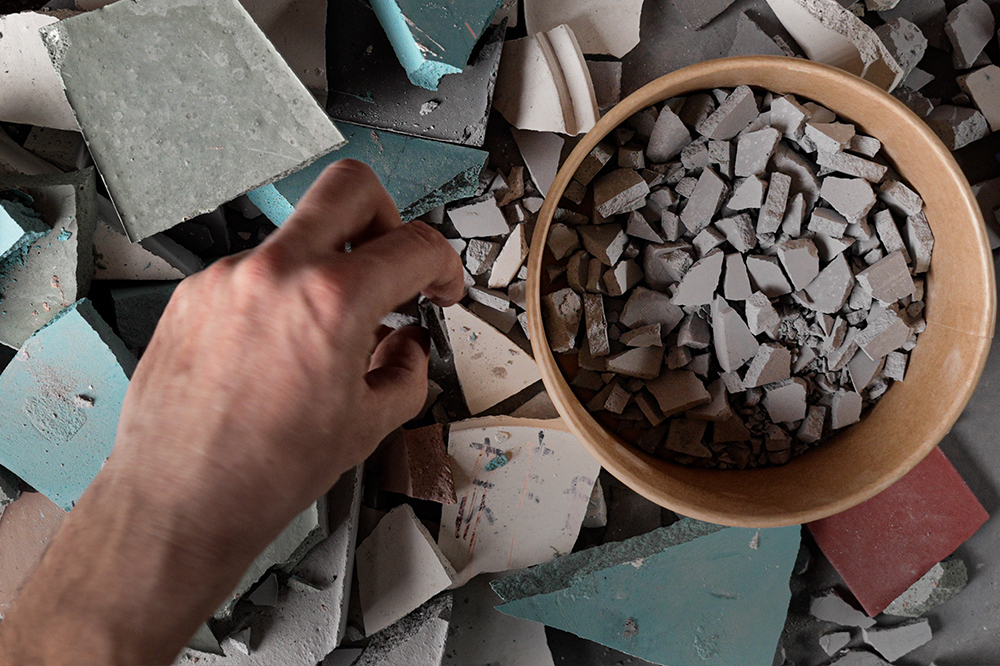
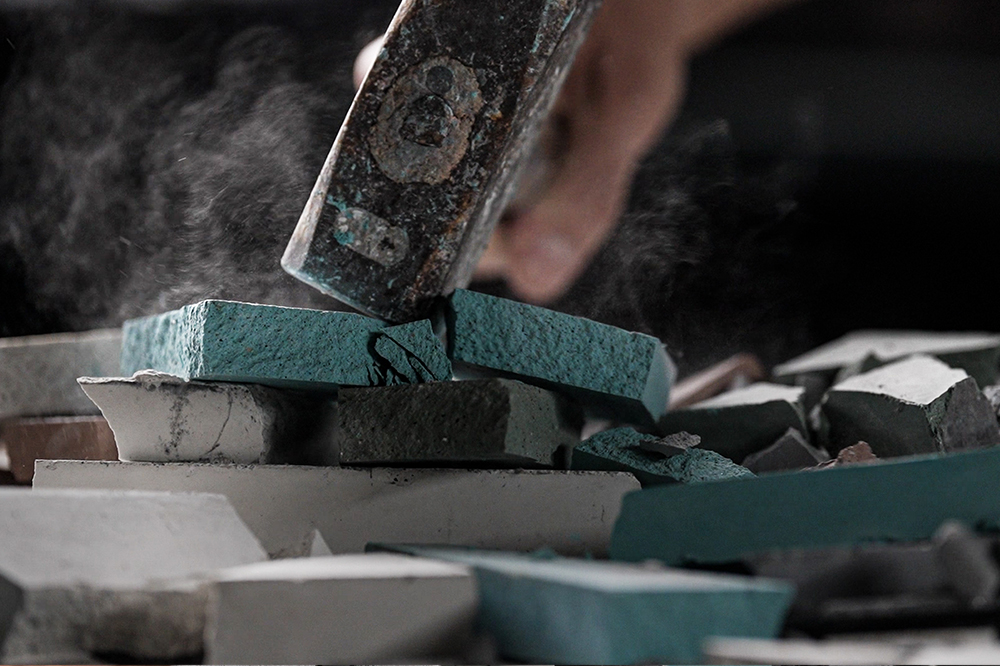
In design, as in nature, nothing is ever truly lost. Every material carries memory — of touch, of transformation, of time. At Urbi et Orbi, sustainability is not a trend — it is a natural extension of our craft. What many would call industrial waste, fragments of concrete, dust, and residue, at Urbi et Orbi we see them as secondary raw materials with the power to be reborn. From these remains emerges the Zero Waste Project — a quiet dialogue between sustainability and craft. Our approach to zero waste concrete introduces a more responsible production model.
The circle of creation
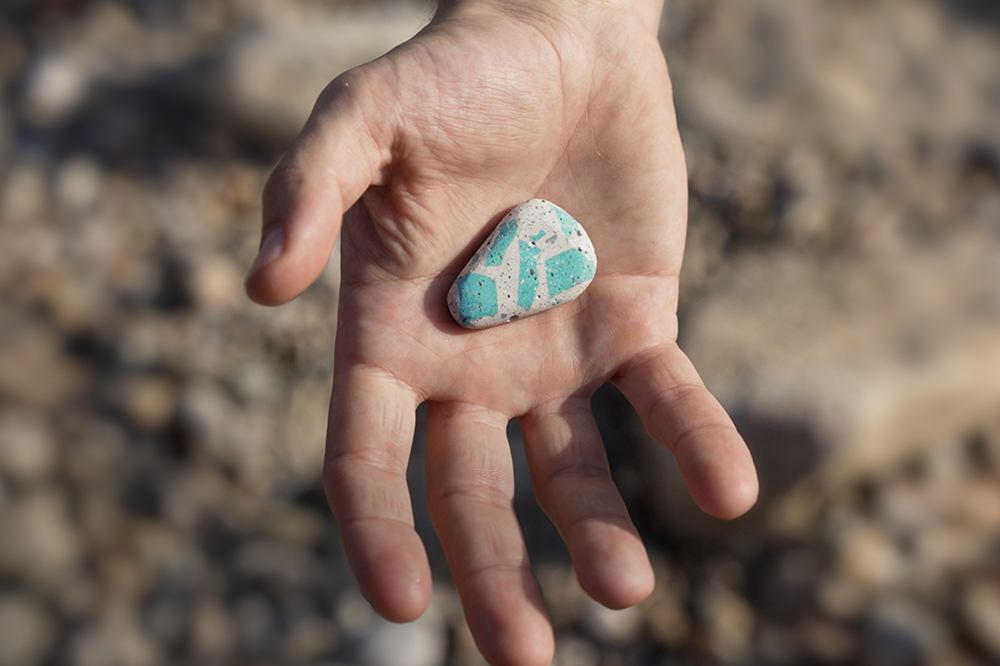
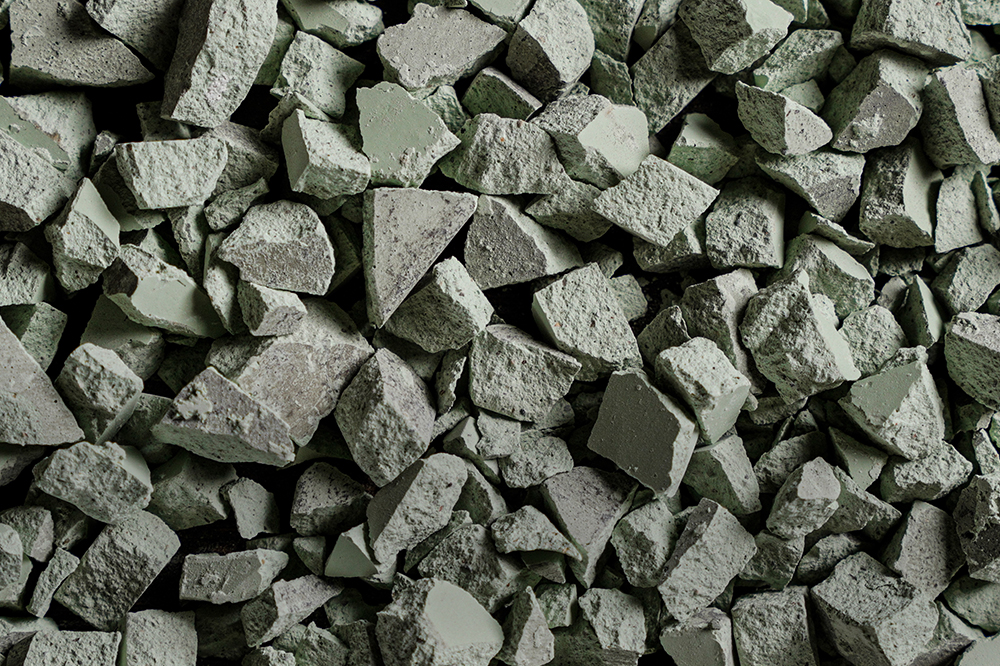
Inside our workshop, the sound of cutting, grinding, and polishing forms a rhythm — not of waste, but of continuity. The fragments of yesterday’s creation find their way into tomorrow’s form. Leftover concrete replaces aggregates in new mixtures; fine dust becomes filler for a new material body. Each particle returns to the circle. Nothing ends — it simply evolves. The collection showcases sustainable concrete products with a Mediterranean identity.
Material as narrative
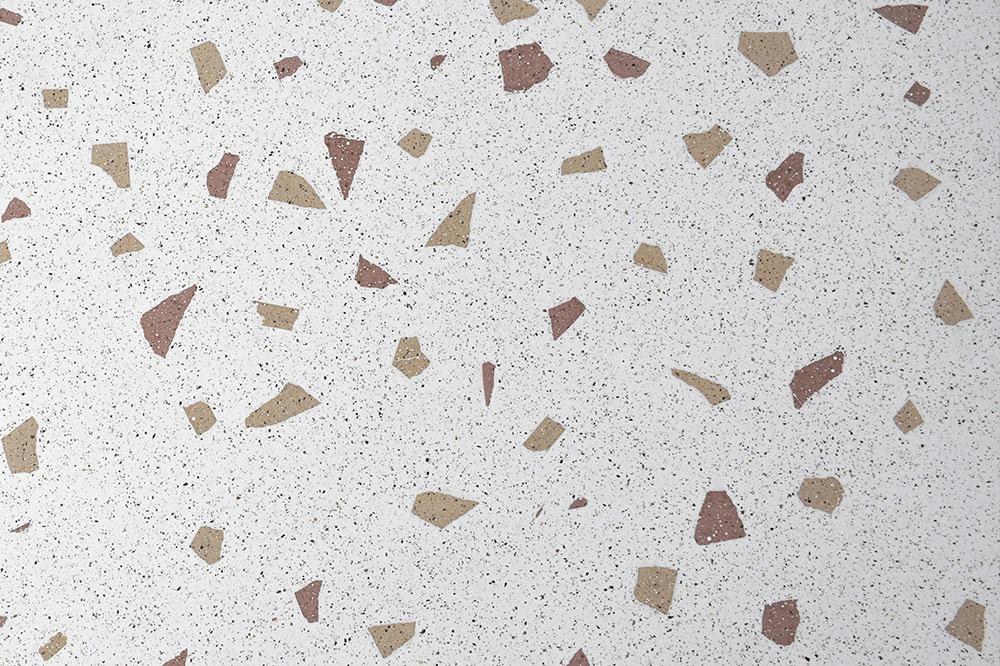
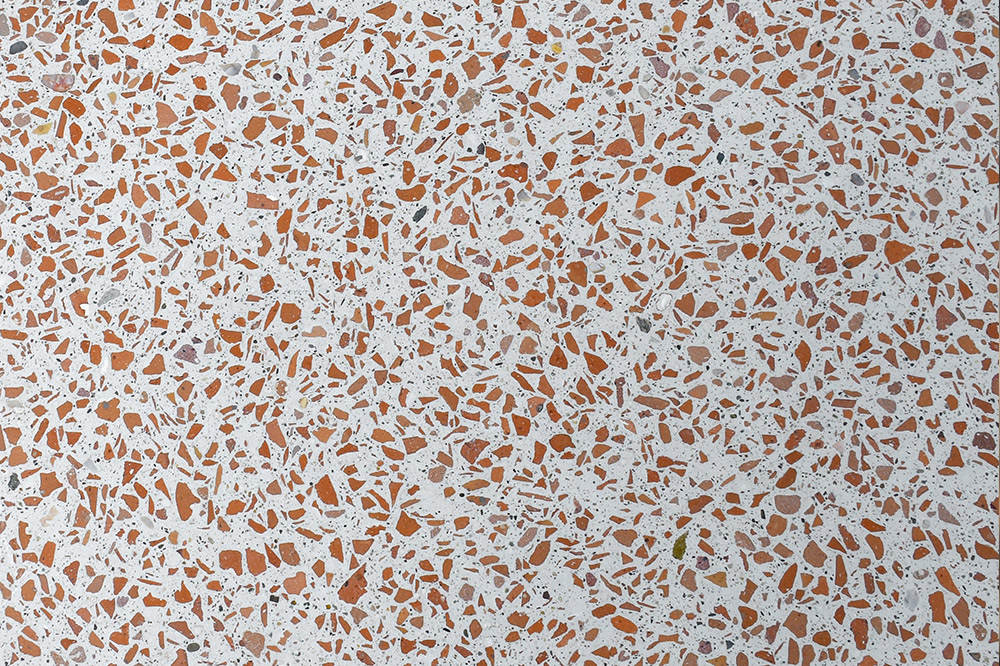
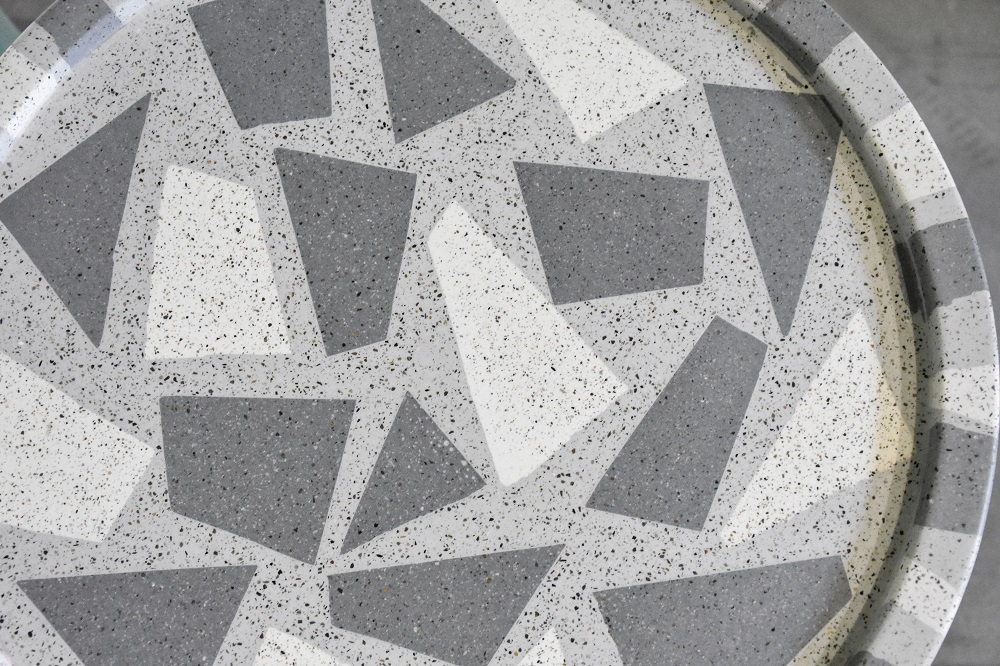
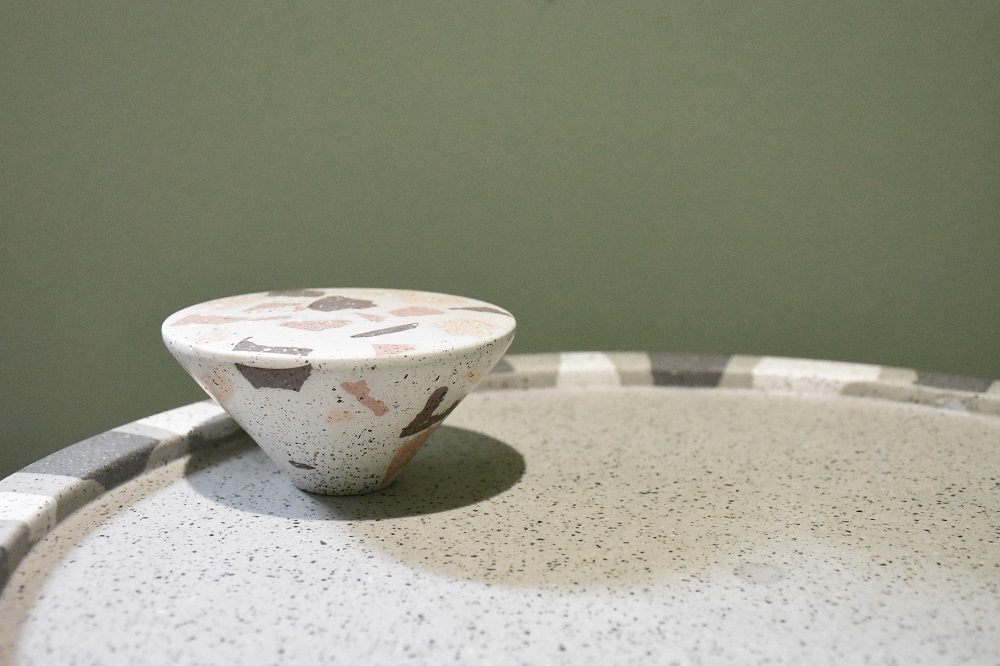
The products born from this process contain 10 to 80 percent reclaimed material, yet they hold the same strength, detail, and character as ever. Their surfaces speak in two languages: the raw terrazzo with visible traces of rebirth, and the soft “sand” finish, silent, pure, minimal. Two expressions of the same idea — that beauty lies in transformation.
Design with awareness
Choosing a piece from the Zero Waste collection is a conscious act. It means supporting the movement toward circular design and sustainable production. It means owning an object that carries not only form, but purpose. Each one marked with its unique recycling percentage, each one a small contribution toward the LEED® Recycling Content Credit. Our goal is to push the boundaries of zero waste concrete, giving new value to discarded materials.
Craft. Time. Responsibility
For us, design is not about endless creation — it is about renewal. Concrete becomes more than a material: it becomes a medium of memory, intention, and respect for what already exists.This creates a recycled concrete design aesthetic.